End of the Growing Cycle in Sight? Here’s How to Prepare Your Water Management for the Next Crop
The end of the growing cycle is an important time to take a critical look at your company’s water management. Proper preparation helps reduce water loss, prevent unwanted discharges, and prepare the water system for a fresh start to the next growing cycle.
During the growing cycle, the focus is on ensuring a reliable water supply and maintaining good water quality. However, in the final weeks, the drain water storage tank, substrate mats, and irrigation system also require extra attention. These practical tips will help make the transition to the next growing cycle much easier.
1. Reuse as Much Drain Water as Possible
Start planning your drain water management well before the end of the growing cycle. By reusing suitable drain water as much as possible, you can ensure that the drain water storage tank is as empty as possible by the time the crop changeover begins. This reduces the amount of residual water that needs to be treated or discharged afterward.
Practical tip: Regularly check the water level in the drain water storage tank and adjust irrigation and water reuse according to the remaining growing period. Always consider water quality and the crop’s water requirements.
2. Allow Substrate Mats to Dry Out Gradually
At the end of the growing cycle, substrate mats often still contain significant amounts of water. By gradually and carefully reducing irrigation, plants can continue to absorb some of this remaining water. This reduces the amount of water left in the mats and minimizes drainage water released during substrate removal.
Practical tip: Gradually reduce irrigation while monitoring crop conditions. This helps prevent unnecessary water loss without disrupting the crop prematurely.
3. Collect Drainage Water and Ensure Responsible Disposal
When removing substrate mats, residual water may be released. This water can contain fertilizers and other substances used during cultivation. It is therefore important to prevent this drainage water from entering the soil, sewage system, or surface water without proper control. Ensure that the water is collected and treated or disposed of in accordance with applicable discharge regulations.
Practical tip: Prepare a plan for removing the substrate mats in advance and determine how the released water will be collected and disposed of responsibly.
4. Inspect and Clean the Irrigation System
The crop changeover is an ideal opportunity to inspect the entire irrigation system. Throughout the growing cycle, organic contamination, biofilm, and deposits can accumulate in pipes, tanks, and other components of the water system. This contamination can affect water flow and promote unwanted microbial activity.
Make sure to check:
- Contamination in water storage tanks and drain water tanks.
- The condition of pipes and drippers.
- The presence of biofilm and organic deposits.
- The performance of filters and water treatment systems.
Proper cleaning and inspection help ensure that the next growing cycle starts with a reliable irrigation system.
5. Pay Attention to Oxygen Levels in Irrigation Water
When preparing for a new growing cycle, growers often focus on EC, pH, and microbiological water quality. However, dissolved oxygen (DO) levels also deserve attention. Oxygen is essential for plant root respiration. The amount of oxygen that water can hold is influenced by several factors, including water temperature, atmospheric pressure, and biological activity. Particularly in water storage tanks with limited circulation, lower oxygen levels can develop in certain areas. By measuring dissolved oxygen levels, you gain a better understanding of the conditions within your water system.
6. Start the New Growing Cycle with a Clear Understanding of Your Water Quality
Ideally, a new growing cycle begins with a clean, inspected, and properly functioning irrigation system. In addition to cleaning and maintenance, it is advisable to assess water quality before introducing new plants. This may include measuring dissolved oxygen, water temperature, pH, and EC, supplemented by microbiological testing when necessary. This allows potential issues to be identified at an early stage.
Agrona Tec: Focusing on Oxygen and Water Quality
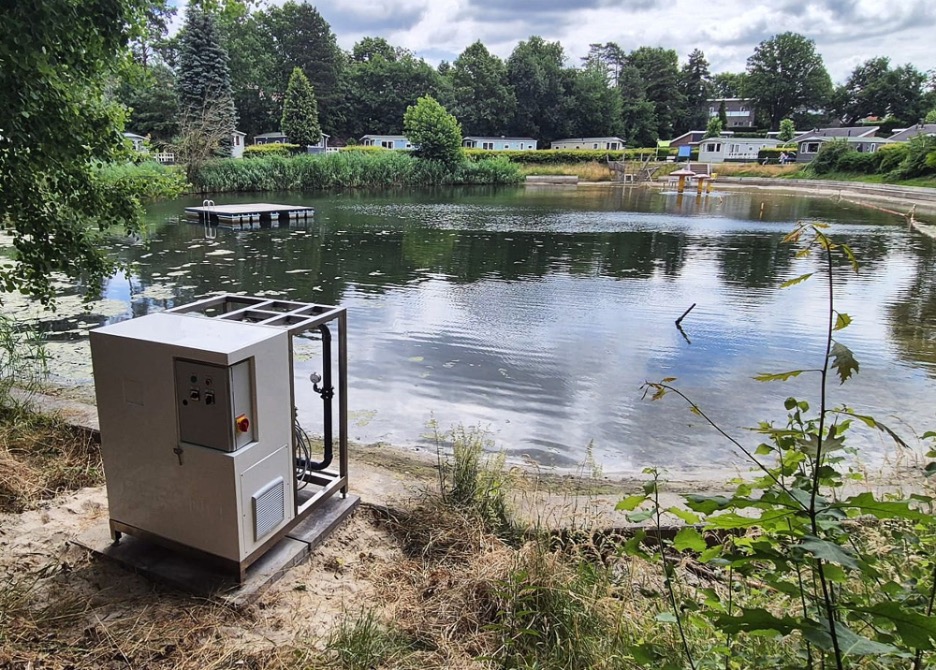
At Agrona Tec, we specialize in water treatment and oxygen management for professional horticulture. With our OxyBull Aeration Systems and Nanobubble Generators, we provide technologies that support oxygenation and water circulation in irrigation systems. The most suitable solution depends on water quality, the type of installation, and the grower’s objectives. That is why we prefer to assess the existing situation before recommending a system.
Would you like to know the condition of your irrigation water before the next growing cycle begins?
Contact Agrona Tec and discover how we can support you in assessing and optimizing your water management.
Better Water Quality Starts with Understanding.